The Matrix (1999): A Masterclass in Cyberpunk Philosophy
A deep dive into the cinematic brilliance of The Matrix, analyzing its themes of simulated reality, choice, and visual innovation.
Beyond the Simulation
Released at the dawn of the millennium, The Matrix (1999) didn't just change the action genre; it fundamentally shifted how we perceive the intersection of technology, philosophy, and cinema. Directed by the Wachowskis, the film is a high-octane exploration of the human condition trapped within a digital cage.
The Narrative Architecture
The story follows Neo, a hacker who discovers that his entire existence is a sophisticated simulation designed by sentient machines to harvest human bio-electricity. While the plot is gripping, the true brilliance lies in its thematic layering. The film draws heavily from Plato's Allegory of the Cave, Jean Baudrillard's *Simulacra and Simulation*, and Buddhist concepts of enlightenment. The central conflict isn't just about humans vs. machines, but about the struggle for autonomy and the burden of truth.
Visual Innovation and Direction
The Wachowskis' direction is characterized by a clinical yet stylized precision. The introduction of 'Bullet Time' was a watershed moment in cinema, allowing the audience to experience a frozen slice of time from multiple angles. This wasn't mere spectacle; it served the narrative by visualizing the characters' growing mastery over the simulated laws of physics. The fusion of Hong Kong-style wire-fu with a bleak, green-tinted aesthetic created an atmosphere of oppressive artificiality.
Performances and Character Dynamics
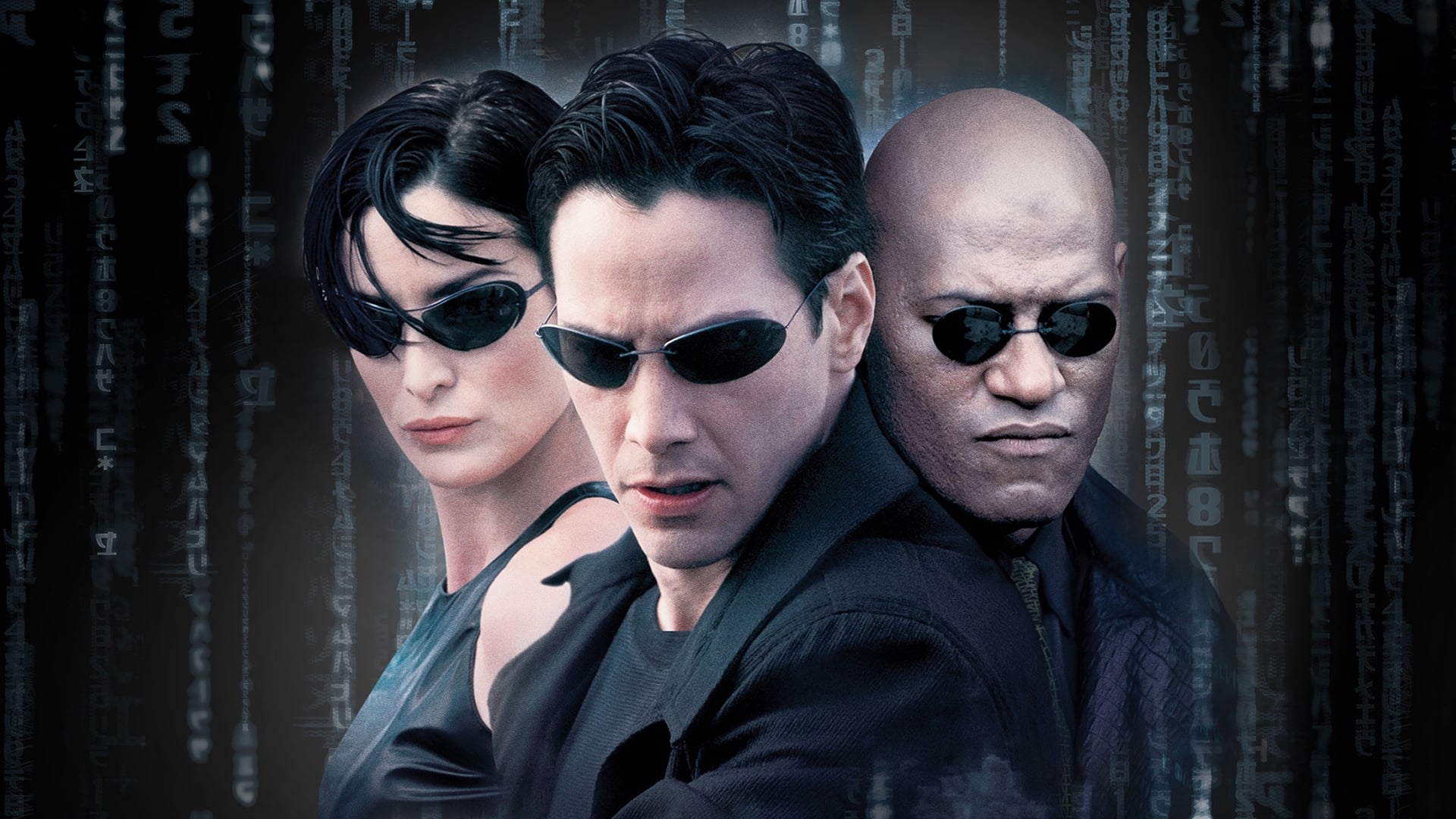
Keanu Reeves delivers a nuanced performance as Neo, perfectly capturing the transition from a confused salaryman to a messianic figure. His understated acting style complements the film's heavy exposition. Meanwhile, Laurence Fishburne as Morpheus provides the necessary gravitas, acting as the bridge between ignorance and awakening, while Carrie-Anne Moss breaks stereotypes with the fierce and capable Trinity.
"I'm trying to free your mind, Neo. But I can only show you the door. You're the one that has to walk through it."
Why It Still Stands Out
*The Matrix* remains a towering achievement in cinema because it treats the audience with intelligence. It suggests that the truth is often uncomfortable, but liberation is only possible for those brave enough to take the red pill.