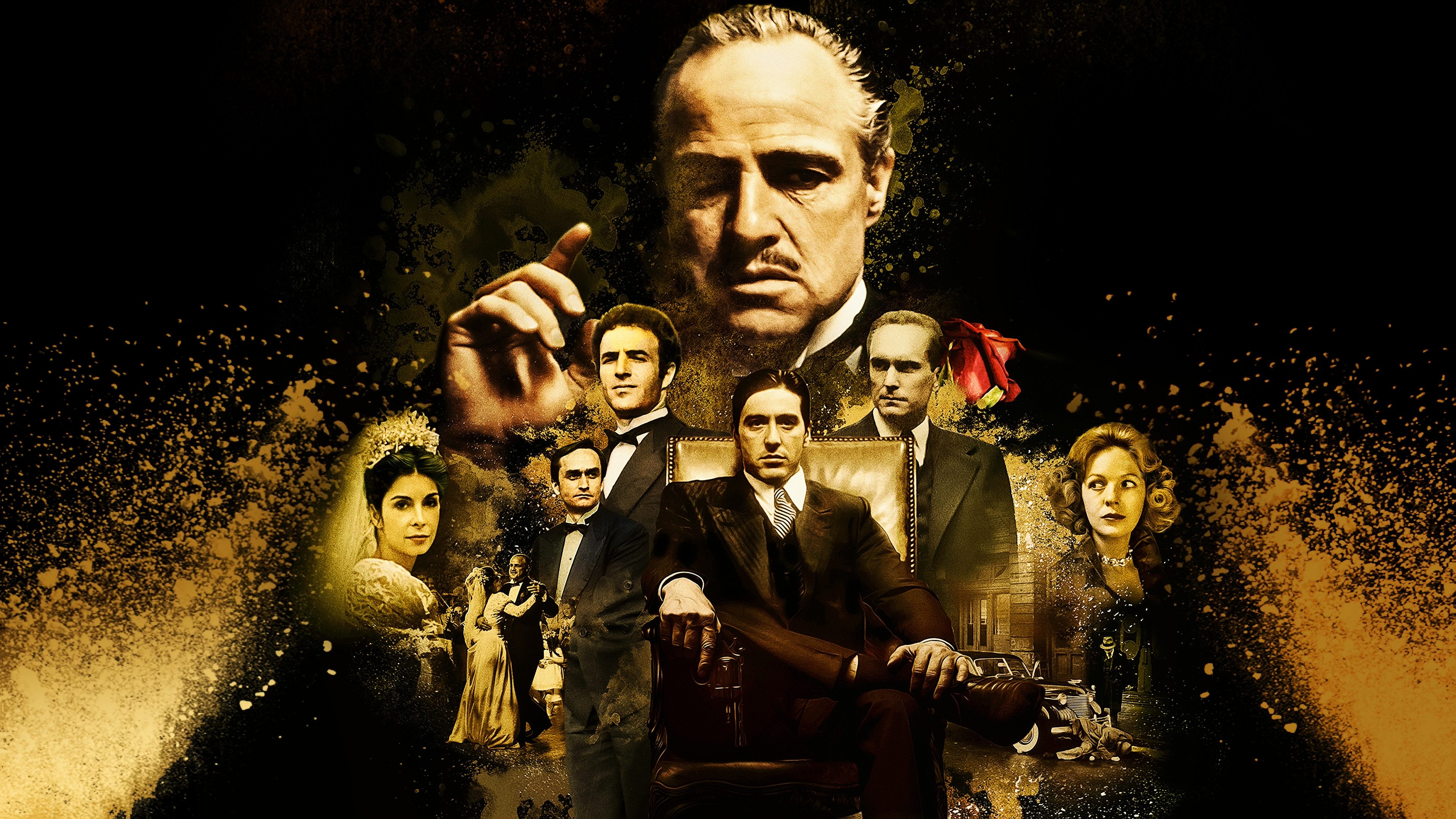
How The Godfather Changed Cinema Forever
An in-depth analytical study of the impact of The Godfather (1972) on world cinema and popular culture.
The Godfather: The Quiet Revolution
In 1972, no one expected that a film about the Italian Mafia in America would become the standard against which all subsequent films are measured.
Why Is It Different?
The Tight Screenplay: Mario Puzo and Coppola wrote a script that treats criminals as human beings — they have values, families, twisted principles. They weren't one-dimensional villains.
The Legendary Performance: Marlon Brando as Don Corleone created the most imitated character in cinema history. The tired voice, the hand gestures, the carefully measured words — every detail was deliberate.
Revolutionary Cinematography: Gordon Willis used darkness as a character. Low-key lighting that painted doubt and power on characters' faces.
Its Impact on Cinema
Every crime film that came after it — Goodfellas, The Sopranos, Scarface — acknowledges a deep debt to The Godfather. It changed how criminal stories are told: with empathy, depth, and humanity.
What Makes It Timeless
The deepest point of the film isn't the crime — it's Michael Corleone's transformation. The young man returning from war, who refused his father's world, then chooses in one moment to become what he once rejected. That is the film's true heart.
*"I'm going to make him an offer he can't refuse."*