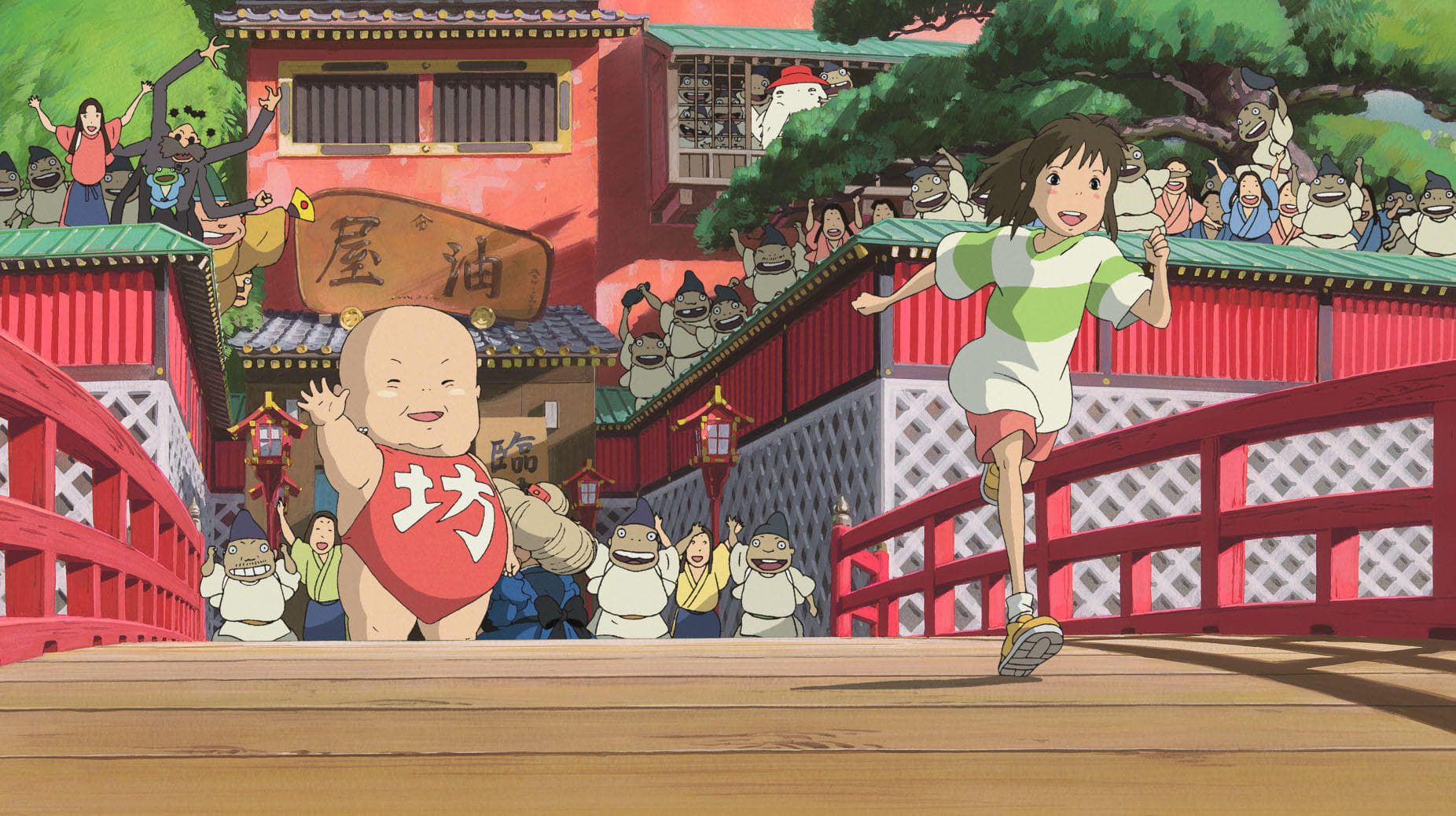
Spirited Away: Why It Soared Above Its Early‑2000s Peers
A comparative analysis of Spirited Away with its era’s greats and why it outshone contemporary cinema.
Introduction
Hayao Miyazaki’s *Spirented Away* (2001) is more than a landmark animated feature; it is a cultural phenomenon that still feels fresh after two decades. While the early‑2000s welcomed eclectic hits like *Amélie*, *Moulin Rouge!*, and *The Lord of the Rings* trilogy, Miyazaki’s masterpiece managed to eclipse them in both critical acclaim and lasting influence. This article dissects the key factors that set the film apart.
Visual Innovation
Narrative Depth
“A story is a vessel for our deepest anxieties.” – Film scholar Susan Napier
Unlike the breezy romanticism of *Amélie* or the opulent musical pastiche of *Moulin Rouge!*, *Spirited Away* balances childlike wonder with a sophisticated critique of consumerism, identity loss, and environmental neglect. The plot’s surface—a girl trapped in a spirit bathhouse—unfolds into a multilayered allegory that rewards repeat viewings.
Character Architecture
Score and Atmosphere
Joe Hisaishi’s hauntingly melodic score acts as an emotional spine. Themes shift fluidly from serene piano motifs during the river‑scene to discordant brass during the witch’s showdown, mirroring the narrative’s tonal swings. No other early‑2000s film matched this seamless integration of music and story.
Global Reception & Legacy
Conclusion
*Spirited Away* rose above its peers because of an uncompromising artistic vision, rich narrative ecology, and meticulous craftsmanship that made every frame feel alive. It is not merely a film; it is a mirror that reflects our collective hopes and fears, inviting each viewer to step beyond the mundane into a world where every spirit has a story.
“It isn’t just a tale of a lost girl—it’s a map of the human soul.” – International film critic