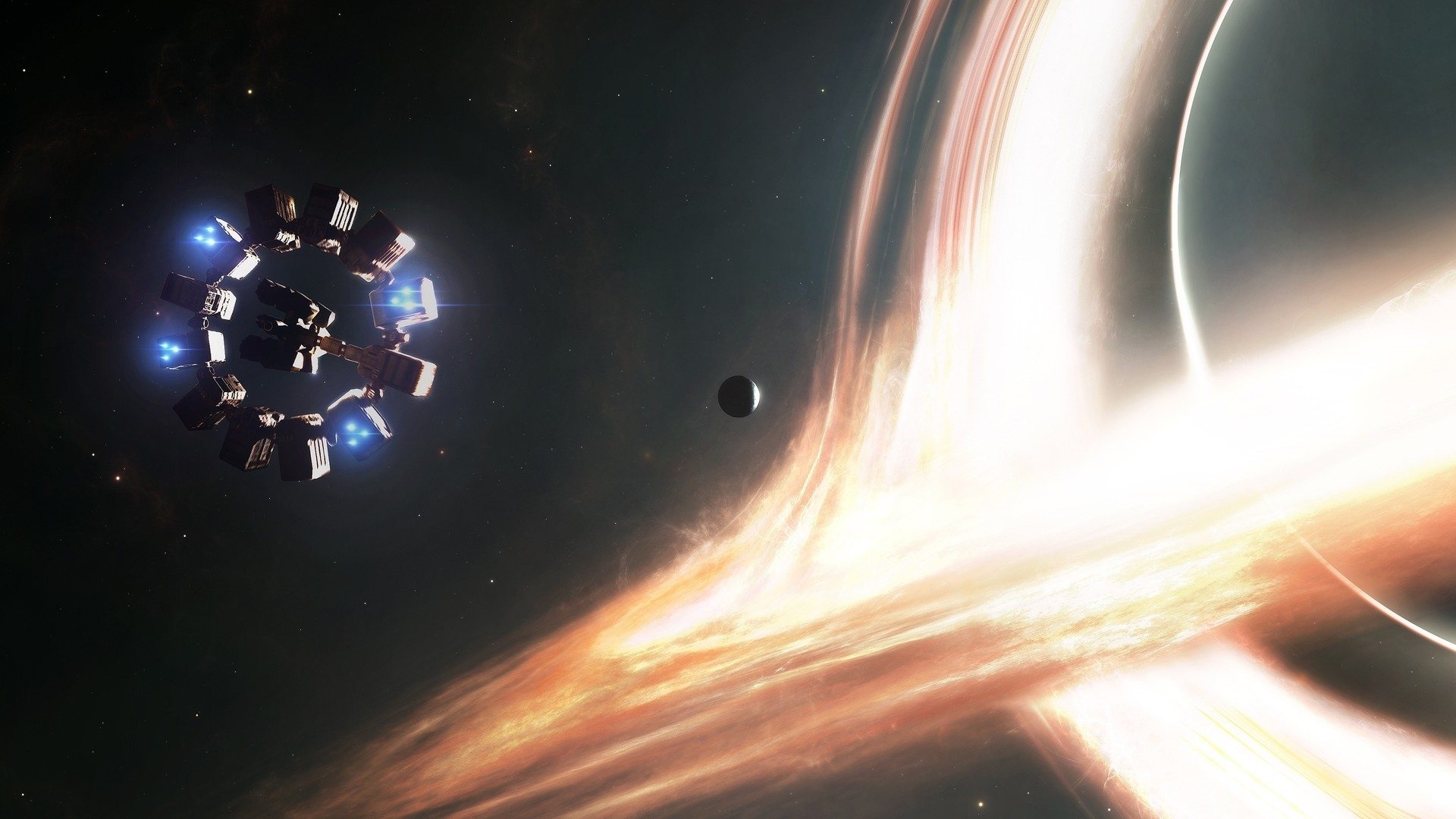
Decoding Interstellar: The Hidden Symbolism of Love and Time
A deep dive into the metaphors and philosophical underpinnings of Christopher Nolan's Interstellar.
Beyond the Event Horizon: The Emotional Core
Christopher Nolan's Interstellar is frequently lauded for its scientific accuracy regarding black holes and time dilation. However, viewing it solely as a hard sci-fi film ignores the intricate web of symbolism that makes the movie a timeless masterpiece. At its heart, the film is a meditation on the tension between the cosmic and the intimate.
The Tesseract: Time as a Physical Space
The climax inside the Tesseract is a brilliant metaphor for the human experience of memory. By visualizing time as a physical geography, Nolan suggests that our pasts are not gone, but are simply locations we can no longer visit. The library is not just a plot device; it represents the architecture of regret. Cooper's struggle to communicate with Murph through the bookshelves symbolizes the desperate human desire to reach across the void to say 'I'm sorry' or 'I love you'.
The Watch: The Bridge of Connectivity
The watch serves as the film's most potent symbol. It is the tether that binds the father to the daughter across light-years. While the film deals with the cold, calculating nature of survival (embodied by Dr. Mann), the watch represents the irrational yet essential bond of family. The ticking of the watch is the heartbeat of the film, reminding the viewer that while gravity can bend light, it cannot break the connection between a parent and a child.
Key Metaphors and Themes
"Love is the one thing we're capable of perceiving that transcends dimensions of time and space."
The Paradox of Choice
The conflict between Plan A (saving everyone) and Plan B (starting anew) serves as a metaphor for the struggle between individualism and collectivism. Dr. Mann represents the selfishness of survival, while Cooper represents the sacrifice of the self for the sake of a future generation. The film concludes that humanity's survival depends not on our technical prowess, but on our capacity for empathy and love.
In conclusion, Interstellar argues that science provides the 'how', but love provides the 'why'. The black hole is not just a gravitational singularity, but a gateway to the realization that the most profound discoveries are often the ones we find within our own hearts.